

Powering a Crawler Unit: Why Your Power Source Matters More Than You Think
Crawler inspection systems rely on stable, consistent power to operate effectively. While control units include built-in batteries, crawler units themselves do not. As a result, decision makers will need to determine how best to power their inspection systems when mains power is not available.
It’s easy to assume that all power sources are equally capable of powering a crawler unit, but this is not the case. Choosing the wrong one can lead to unreliable performance, aborted surveys, or costly damage to crawler electronics.
Based on DCR’s field experience, the following are the most commonly used power options — with clear guidance on where each succeeds and where it falls short.
Milwaukee MX Fuel Power Supply – The Benchmark Solution

For most crawler inspections, the Milwaukee MX Fuel Power Supply represents the most robust, reliable, and professional power solution available.
Designed to deliver generator-level performance without combustion, the MX Fuel system provides up to 3,600 peak watts using Milwaukee’s advanced battery technology.
Crucially, it does so without emissions, excessive noise, vibration, or fuel handling risks, making it suitable for both indoor and confined environments where traditional generators are impractical or prohibited.
From an operational standpoint, the MX Fuel Power Supply offers several key advantages:
Pure sine wave output, ensuring stable, grid-quality power and protecting sensitive crawler components such as motors, PCBs, sensors, and telemetry systems
Dual-battery operation, allowing a crawler unit to run for approximately six hours, depending on configuration and load
Minimal maintenance requirements, eliminating downtime associated with servicing combustion engines
Improved site safety, with no fuel storage, reduced noise, and fewer trip hazards
In our experience, inconsistent or poor-quality power is one of the most common causes of crawler faults in the field. The MX Fuel system effectively removes this risk, which is why it is DCR’s preferred solution for the majority of inspection work.
Proteus Battery Pack – A Purpose-Built Alternative
For operators using Minicam Proteus systems, the dedicated Proteus Battery Pack offers a compact, system-specific option. Designed exclusively for use with Proteus crawlers, it provides several hours of runtime in a lightweight, portable format.

At approximately 4 kg, and with a carry case available, it is easy to transport and well suited to shorter surveys or locations where minimal equipment is required. However, its use is limited to compatible systems, and it lacks the versatility and extended runtime offered by larger external power solutions.
Van Inverters – Use with Caution
Vehicle-mounted inverters are sometimes used to power crawler units by converting DC current from a vehicle battery into AC power. While this can appear convenient, this approach carries significant risk if the inverter is incorrectly specified.

Crawler units require a consistent, stable power supply. Inverters typically deliver either pure sine wave or modified sine wave output:
Pure sine wave inverters provide smooth, consistent power similar to the electrical grid
Modified sine wave inverters produce an uneven waveform that can cause voltage spikes and drops
Modified sine wave power is a frequent cause of damaged motors, control boards, sensors, and telemetry systems. For this reason, DCR strongly advises that only properly rated pure sine wave inverters are considered — and even then, they should be viewed as a secondary option rather than a primary power solution.
Fuel Generators – Reliable but Increasingly Impractical
Petrol and diesel generators have long been used on worksites to provide power where no mains supply is available. While they remain capable of producing sufficient output, they also present several drawbacks that limit their suitability for crawler inspections.
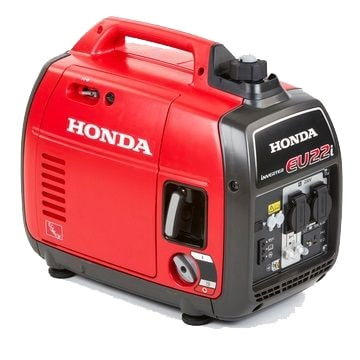
Fuel generators:
Are unsuitable for indoor or confined-space use due to exhaust fumes
Require hazardous fuel storage and regulatory compliance
Generate noise and emissions that can disrupt work environments
Introduce additional trip hazards through trailing cables
As site safety requirements tighten and battery technology advances, traditional generators are increasingly being replaced by cleaner, quieter, and safer alternatives.
Conclusion: Power Choice Is Equipment Protection
A crawler unit is a significant investment, and its performance depends heavily on the quality of power supplied to it. In DCR’s experience, battery-based, pure sine wave power solutions now represent the safest and most reliable option for modern inspection work.
Among these, the Milwaukee MX Fuel Power Supply stands out as the most versatile and dependable choice, combining runtime, safety, and power quality in a single, field-proven system. For operators seeking to reduce risk, minimise downtime, and protect their equipment, it sets the current standard.


